
insulated window panels
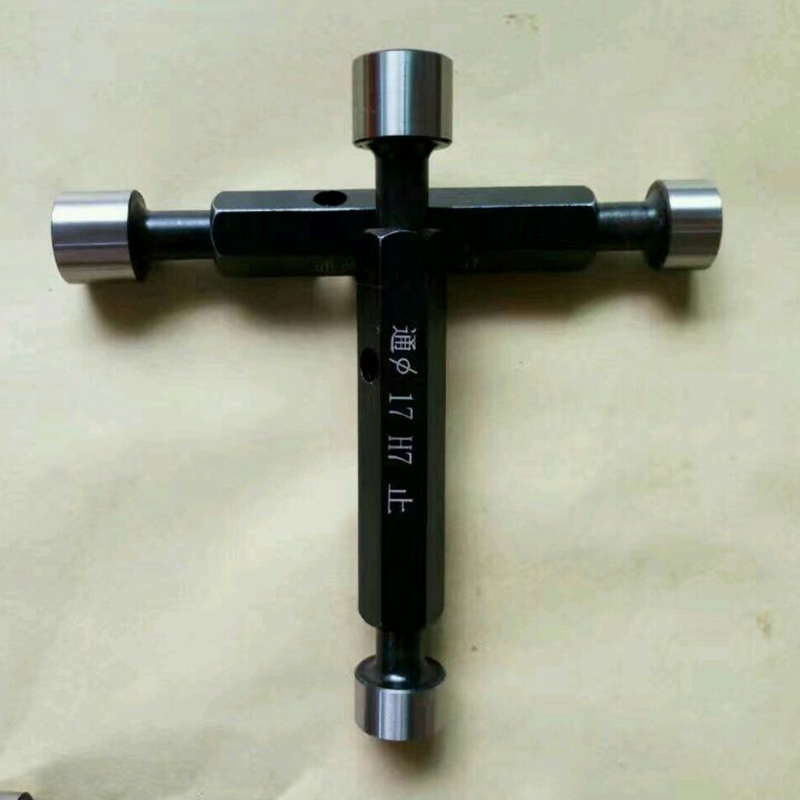
The Steel Ring Gauge An Essential Tool in Precision Measurement In the realm of engineering and manufacturing, precision is paramount. Every component produced must meet stringent specifications to ensure functionality, safety, and longevity. One of the essential tools that engineers and machinists rely on for this purpose is the steel ring gauge. This specialized instrument plays a crucial role in determining the accuracy and quality of manufactured parts. What is a Steel Ring Gauge? A steel ring gauge, also known as a ring gauge or simply a ring, is a cylindrical tool made of high-quality steel, designed to measure the external diameters of manufactured components. Ring gauges come in two primary forms go and no-go gauges. The go gauge has a specified dimension that the part must meet or fall within, while the no-go gauge serves as a check to ensure that the part does not exceed a certain dimension. Together, these gauges form a basis for confirming the dimensional accuracy of cylindrical parts. The Importance of Steel Ring Gauges The significance of steel ring gauges cannot be overstated. In industries that involve mass production, even the slightest deviation from specified dimensions can lead to catastrophic failures, increased costs, and safety hazards. For example, in the automotive industry, precision in manufacturing engine parts is critical. A slight imperfection can result in engine failure, leading to potentially dangerous situations for drivers. Therefore, ensuring that every part meets the necessary standards is essential, and that is where steel ring gauges come into play. Material and Construction The choice of material for ring gauges is fundamental to their performance. Steel is preferred due to its durability, resistance to wear, and ability to maintain dimensional stability under various conditions. Ring gauges are often heat-treated and ground to achieve the necessary hardness and accuracy. Furthermore, they are typically finished with a protective coating to prevent rust and corrosion, which could affect their precision over time. steel ring gauge Applications Across Industries Steel ring gauges are employed in a wide range of industries—from aerospace and automotive to tool-making and manufacturing. In the aerospace sector, for example, components require extreme precision to ensure the safety and effectiveness of aircraft systems. Similarly, in the oil and gas industry, where mechanical parts must withstand harsh environments, the reliability of these components is frequently validated using steel ring gauges. Advantages of Using Steel Ring Gauges One of the primary advantages of using steel ring gauges is their ability to provide immediate feedback on the dimensional accuracy of a part. This rapid verification process helps in maintaining quality control throughout the manufacturing process. Additionally, because ring gauges are reusable, they offer a cost-effective solution for ensuring precision over long periods. Their design allows for easy handling and use, which further encourages consistent use in production settings. Challenges and Limitations Despite their advantages, steel ring gauges do have limitations. They can be subject to wear and tear over time, which may affect their accuracy. For this reason, routine calibrations and verifications against standard reference gauges are necessary to maintain precision. Additionally, while ring gauges are excellent for external measurements, they are not suitable for internal diameter measurements, wherein other gauges, such as internal calipers, must be used. Conclusion In conclusion, the steel ring gauge is an indispensable tool in the arsenal of engineers and manufacturers. Its ability to ensure precision in measuring external diameters significantly contributes to the quality and safety of a multitude of products across various industries. As technology continues to advance, the design and application of steel ring gauges are likely to evolve, but their core function as vital instruments for precision measurement will always remain. Ensuring quality through the use of ring gauges not only helps in reducing waste but also enhances the overall efficiency of manufacturing processes, thereby reinforcing their importance in modern industry.
about
insulated window panels
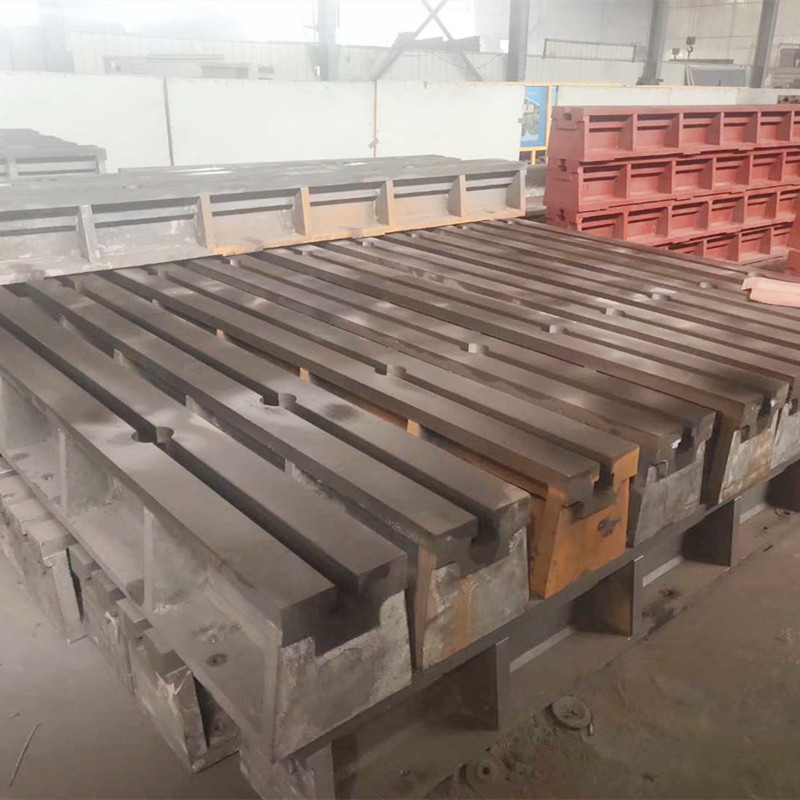
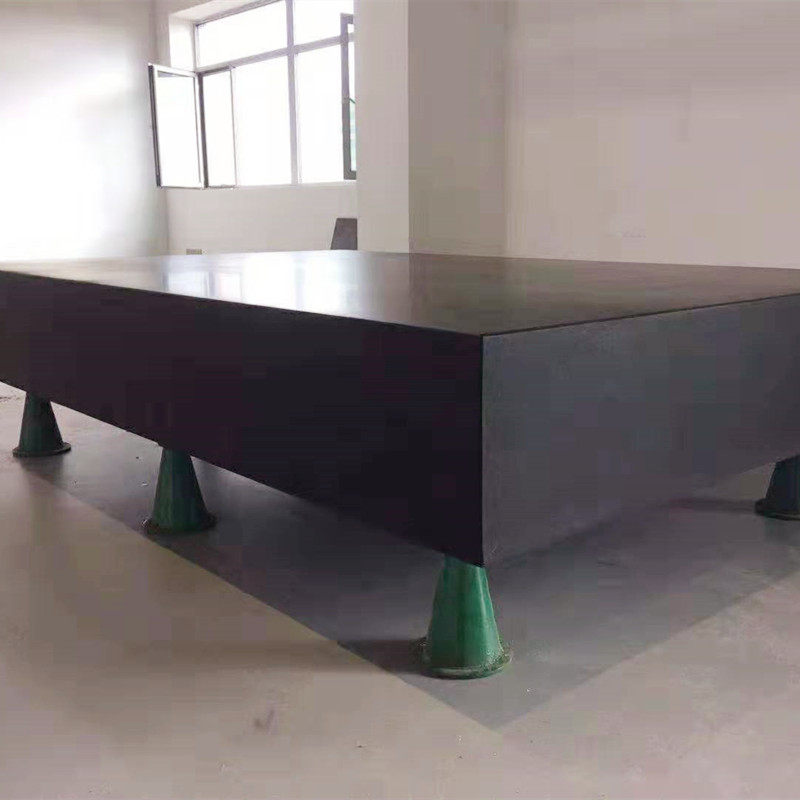
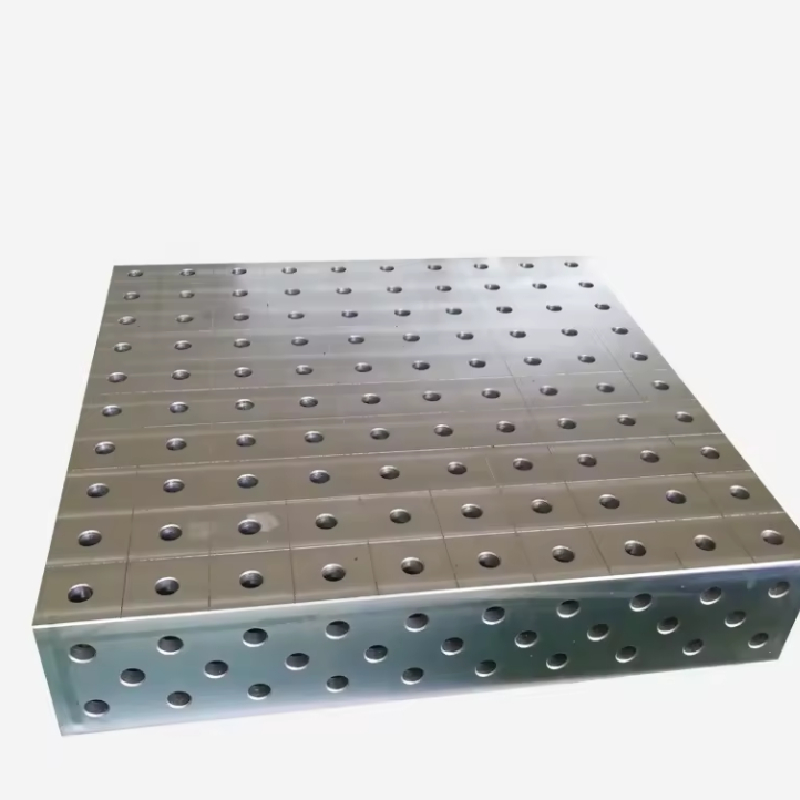
Making a Welding Table A Comprehensive Guide Welding is an essential skill in many industries, from automotive repair to metal fabrication. A good welding table can significantly enhance your work quality and efficiency. In this article, we’ll walk you through the process of making your own welding table, covering materials, construction steps, and tips to ensure it meets your needs. Materials Needed When constructing your welding table, choosing the right materials is crucial. Here’s a list of items you’ll need 1. Tabletop A steel plate is ideal. A thickness of 1/4 inch or more is recommended to withstand the heat and weight of various projects. Commonly, a 4x4-foot or 4x8-foot plate is used, depending on your workspace. 2. Frame You can either use square or rectangular steel tubes for the legs and supports. Tubes with a thickness of at least 1/8 inch are recommended for stability. 3. Wheels (optional) If you want your table to be mobile, add heavy-duty casters with locks. 4. Welding gear Ensure you have appropriate personal protective equipment (PPE), such as a welding helmet, gloves, and a fire-retardant jacket . 5. Tools You will need a welding machine, an angle grinder, a drill, measuring tape, and a level. Step-by-Step Construction 1. Design Your Table Before cutting any material, sketch out your design. Consider the size and shape that will work best for your projects. A square or rectangular table is usually most versatile. Ensure your design includes dimensions that allow enough workspace and room for larger projects. making a welding table 2. Prepare the Top Plate Cut the steel plate to the desired dimensions if it isn't already. Make sure to wear protective gear while cutting to avoid injuries. 3. Build the Frame Cut the steel tubes for the frame. You will need two long pieces for the length and two shorter pieces for the width, along with additional vertical supports based on your design. 4. Assemble the Frame Using your welding machine, start by welding the corners of the frame together. Ensure that each joint is secure and that the frame remains level. A square frame will ensure that your tabletop doesn’t warp as you work. 5. Attach the Tabletop Once the frame is complete and cooled, place the steel plate on top. Secure it by welding along the edges or using bolts if you prefer a removable top. Ensure the plate is flush and even with the frame to avoid any wobbling during use. 6. Add Legs (if applicable) For a stable work surface, attach steel tubes as legs. If you’re using wheels, attach the casters to the bottom of the leg tubes. Make sure the legs are evenly positioned, as this will impact the stability of your table. 7. Finish the Table Grind down any sharp edges and clean the surface of the table to remove any weld spatter. This will help prevent injuries and improve your working environment. 8. Test Your Table Before using your new welding table for substantial projects, test its stability with some lighter tasks. Ensure everything is securely attached, and adjust as necessary. Additional Tips - Add Accessories Consider adding features like a vise, electrical outlets, or a magnetic tool holder to enhance your table's functionality. - Surface Protection To prolong the lifespan of your welding table, consider applying a protective coating or paint designed for high temperatures. - Storage Solutions Utilize below-table storage solutions for tools and supplies, helping maintain a clean and organized workspace. Conclusion Creating your own welding table can be a rewarding project that not only improves your welding setup but also adds a personal touch to your workspace. By carefully selecting materials, following construction steps, and incorporating additional features, you’ll have a sturdy, functional table tailored to your specific needs. Happy welding!
-

High quality industrial productsagement

High quality industrial products
View Details -

Meet the diverse needs of customers

Meet the diverse needs of customers
View Details -

Strict quality control

Strict quality control
View Details -

Top raw materials

Top raw materials
View Details -

Trusted supplier

Trusted supplier
View Details
Our application

news and information

Various Types of Water Valves and Their Applications in Plumbing and Industrial Systems
Types of Water Valves An Overview Water valves are crucial components in plumbing and irrigation sys
Viertelzoll-Klappenventil mit 4 Zoll Durchmesser für industrielle Anwendungen
4 Zoll Messerabsperrventil Eine wichtige Komponente in der Industrie Das 4 Zoll Messerabsperrventil
Versatile and Durable Galvanized Strut Pipe Clamps for Secure Industrial Applications and Constructi
The Importance of Galvanized Strut Pipe Clamps in Construction and Infrastructure In the world of co
 English